

The Transformative Power of Makeup
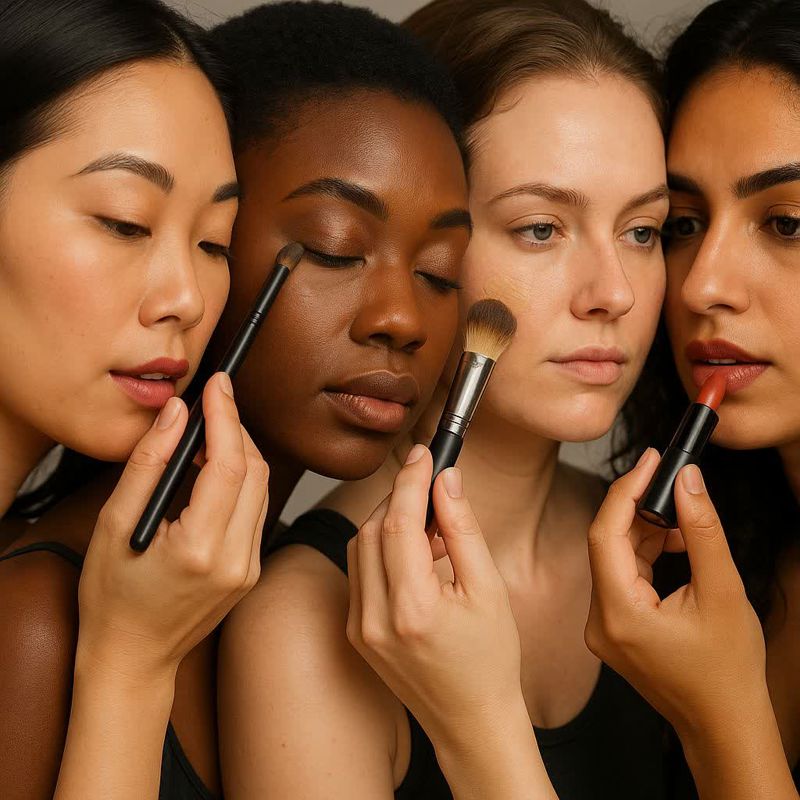
Makeup, often dismissed as mere superficiality, is in reality a profound art form, a tool of self-expression, and a powerful catalyst for confidence. From ancient rituals to modern-day glamour, its presence has been woven into the fabric of human history, reflecting cultural values, personal aspirations, and the ever-evolving definition of beauty. To truly understand its impact is to look beyond the surface and appreciate its deep psychological and sociological significance.
The Art of Self-Expression: Makeup as a Visual Language
At its core, makeup is an incredible medium for self-expression. It allows individuals to sculpt their identity, to highlight their best features, and to experiment with different personas. A stroke of eyeliner can convey fierce determination, a vibrant lipstick can exude playful charm, and a carefully blended foundation can create a canvas of flawless elegance. In this sense, makeup becomes a language, spoken through color, texture, and light, allowing wearers to communicate who they are or who they aspire to be, without uttering a single word. It's a daily ritual of artistic creation, where the face becomes the ultimate canvas.
Understanding the Nuances of Expressive Application
The application of makeup is not a monolithic act; it is a deeply personal and nuanced process. Each stroke, each shade, carries intentionality.
-
Eyeliner: This seemingly simple product offers a vast spectrum of expression. A sharp, winged liner can project sophistication and a bold, empowered stance, reminiscent of classic Hollywood glamour. Conversely, a smudged, smoky eye can evoke a sense of mystery, rebellion, or even a soft, alluring vulnerability. The thickness, length, and angle of the line all contribute to the conveyed message. For example, a subtle tightline along the upper lash line can create the illusion of fuller lashes without being overtly noticeable, subtly enhancing the eyes. A graphic, experimental liner shape, on the other hand, is a clear statement of artistic inclination and a willingness to push boundaries.
-
Lipstick: The lips, often considered the focal point of the face, are incredibly potent canvases for self-expression through lipstick. A classic red lip is a timeless symbol of confidence, power, and allure. It can transform an ordinary outfit into something extraordinary and imbue the wearer with an undeniable sense of presence. A soft, rosy nude can suggest approachability, natural beauty, and a gentle elegance. Bright, unconventional colors like electric blues, deep purples, or vibrant oranges are bold statements of individuality, creativity, and a refusal to conform to traditional beauty standards. The finish of the lipstick – matte, satin, glossy – further refines the message, with matte finishes often conveying a more sophisticated and polished look, while glosses add a touch of playful sensuality.
-
Foundation and Concealer: While often seen as purely corrective, foundation and concealer are also integral to the expressive power of makeup. The way foundation is blended – sheer and natural to allow the skin's texture to show through, or full-coverage for a polished, almost airbrushed effect – dictates the overall impression. A flawless, even complexion can be a foundation for any subsequent artistic expression, providing a neutral base upon which to build. Concealer, strategically applied, can subtly enhance features by creating shadows and highlights, sculpting the face in a way that emphasizes bone structure and creates a lifted appearance.
-
Eyeshadows and Blushes: The vibrant world of eyeshadows and blushes offers endless possibilities for conveying emotion and personality. Warm, earthy tones can evoke a sense of natural beauty and grounding. Cool blues and greens can suggest creativity and a connection to nature. Bold, bright colors are inherently playful and attention-grabbing. The placement of eyeshadow – a wash of color across the lid, a defined crease, a pop of shimmer in the inner corner – can dramatically alter the perceived shape and expressiveness of the eyes. Blush, too, is more than just adding color; it can mimic a natural flush of health and vitality, create a sculpted contour, or add a whimsical pop of color to the apples of the cheeks.
-
The Ritual of Application: The very act of applying makeup can be a form of meditation and self-care. The deliberate strokes, the blending, the layering – these actions can be deeply grounding, allowing individuals to focus on themselves and their own creative process. This ritualistic aspect contributes to the psychological benefits of makeup, providing a moment of personal control and empowerment before engaging with the outside world.

The Psychological Boost: Makeup as a Confidence Enhancer
Beyond personal expression, makeup wields remarkable power in boosting self-confidence. For many, applying makeup is a transformative act that empowers them to face the world with renewed assurance. It can conceal perceived imperfections, enhance natural beauty, and provide a sense of control over one's appearance. This heightened self-esteem can ripple into various aspects of life, from professional interactions to social engagements, fostering a more assertive and positive demeanor. The feeling of "putting your best face forward" is not just about aesthetics; it's about embodying a mindset of capability and readiness.
Deconstructing the Confidence-Building Mechanism
The link between makeup and confidence is multifaceted, operating on both internal and external levels.
-
Addressing Perceived Imperfections: One of the most immediate ways makeup boosts confidence is by offering a solution to perceived flaws. Whether it's a blemish, dark circles under the eyes, or uneven skin tone, concealers and foundations can effectively mask these concerns, allowing individuals to feel more comfortable and less self-conscious. This is not about erasing one's identity but about refining the presentation of it. The psychological relief of not having to worry about a particular perceived imperfection can be profound, freeing up mental energy to focus on other aspects of oneself and one's interactions.
-
Enhancing Natural Beauty: Makeup is a powerful tool for accentuating existing features. A touch of mascara can make eyes appear larger and more awake, drawing attention to their color and shape. A well-defined brow can frame the face and add structure. Subtle contouring can enhance cheekbones, creating a more sculpted and visually appealing facial structure. When used to enhance rather than mask, makeup can make individuals feel more vibrant, attractive, and secure in their natural appearance. It's about amplifying what's already there, celebrating individual beauty.
-
The Sense of Control and Agency: In a world where many external factors can feel overwhelming, the act of applying makeup provides a tangible sense of control. Individuals can dictate their appearance, choosing how they want to present themselves to the world. This agency over one's outward presentation can translate into a greater sense of empowerment and self-efficacy. It’s a small, yet significant, way to exert control and prepare for whatever challenges or opportunities lie ahead. This feeling of readiness can be particularly impactful before important events like job interviews, presentations, or social gatherings.
-
The "Enclothed Cognition" of Makeup: Similar to how wearing a uniform can influence behavior, makeup can act as a form of "enclothed cognition." When someone puts on makeup, they may unconsciously adopt behaviors and attitudes associated with that look. A bold lip might inspire a more assertive tone of voice, while a polished foundation and eyeshadow look might encourage more confident body language. This psychological phenomenon suggests that our clothing and adornments can influence our thoughts and feelings, and makeup is a potent form of personal adornment.
-
Social Reinforcement: While the internal psychological benefits are paramount, external validation can also play a role. When individuals feel they look good, they often receive positive feedback from others, which further reinforces their confidence. This positive feedback loop can be a powerful motivator and contributor to overall self-esteem. However, it's crucial to remember that the primary source of confidence derived from makeup should be internal.

A Tapestry of Time: Makeup's Historical and Cultural Significance
Historically, makeup has also served as a symbol of status, culture, and even rebellion. Ancient Egyptians used kohl not only for beauty but also for protection against the sun and evil spirits. Elizabethan England saw aristocratic women favoring stark white foundations and rouged cheeks as indicators of wealth. In the 20th century, the flappers embraced bold lips and smoky eyes as a statement of newfound freedom, while punk rock embraced unconventional makeup as a form of defiance. Each era, each culture, has found unique ways to imbue makeup with meaning, making it a living testament to societal shifts and individual aspirations.
Tracing the Evolution of Makeup Through Civilizations
The history of makeup is as rich and diverse as human civilization itself, reflecting evolving societal norms, technological advancements, and changing ideals of beauty.
-
Ancient Civilizations:
✅Ancient Egypt (circa 4000 BCE onwards): The use of cosmetics was deeply embedded in Egyptian society. Kohl, a black powder often made from galena, was used to line the eyes, not just for aesthetic purposes but also for its believed medicinal properties, to ward off eye infections, and to reduce glare from the desert sun. Green eyeshadow, derived from malachite, was also popular. The application of these cosmetics was often part of religious rituals and was believed to connect individuals with the divine. Ochre was used to color lips and cheeks. The Egyptians also developed early forms of foundation using animal fats mixed with pigments.
✅Ancient Rome (circa 753 BCE – 476 CE): Roman women used a variety of substances to enhance their appearance. White lead was used to lighten the skin, a practice that would later prove to be highly toxic. Red ochre was used for lips and cheeks. Perfumes and oils were also an integral part of Roman beauty routines. The Romans associated pale skin with higher social status, as it indicated a life spent indoors, away from manual labor.
✅Ancient Greece (circa 800 BCE – 600 CE): While less focused on elaborate makeup than the Romans or Egyptians, Greek women did use natural pigments to enhance their features. They used rouge made from crushed berries and lips were stained with similar natural dyes. Kohl was also used to darken the eyes.
-
Medieval and Renaissance Europe:
✅Medieval Period (circa 5th – 15th centuries): In Europe during the Middle Ages, overt displays of makeup were often discouraged by the Church, which associated them with vanity and sin. However, subtle enhancements were still practiced. Women might use apple juice to add a rosy hue to their cheeks or rub berries on their lips. Pale skin remained desirable, and some women used lead-based powders, unaware of their toxicity.
✅The Renaissance (circa 14th – 16th centuries): The Renaissance saw a resurgence of interest in beauty and art, and makeup became more prevalent among the aristocracy. Queen Elizabeth I of England famously favored a very pale complexion, achieved with a lead-based powder called "ceruse," and rouged lips and cheeks. This extreme pallor was seen as a mark of nobility and refinement, indicating that one did not engage in outdoor labor.
-
The 18th and 19th Centuries:
✅18th Century: Makeup continued to be a sign of status among the wealthy. Elaborate wigs, powdered hair, and rouged cheeks were fashionable. However, a growing emphasis on natural beauty began to emerge, leading to a more subdued approach for some.
✅19th Century (Victorian Era): The Victorian era saw a stark contrast in attitudes towards makeup. While overt cosmetics were considered vulgar and associated with actresses and prostitutes, women still sought to appear healthy and alluring. They achieved this through more discreet methods, such as pinching their cheeks for color, biting their lips to make them appear redder, and using homemade concoctions to achieve a youthful glow. The ideal was a natural, demure beauty.
-
The 20th Century and Beyond:
✅Early 20th Century: The advent of mass production and the rise of Hollywood had a profound impact on makeup. Max Factor and Elizabeth Arden introduced readily available makeup products. The flappers of the 1920s embraced bolder makeup, including dark lipstick and heavily kohled eyes, as a symbol of their newfound independence and rebellion against societal norms.
✅Mid-20th Century: The post-war era saw a return to more idealized feminine looks, with emphasis on defined eyebrows, winged eyeliner, and classic red lipstick. Makeup became more accessible to the masses.
✅Late 20th Century: The counter-culture movements of the 1960s and 70s brought about experimentation with vibrant colors and unconventional applications. The punk movement embraced extreme and defiant makeup. The rise of the fashion industry and celebrity culture further cemented makeup's role in defining trends and aspirations.
✅21st Century: The digital age and the proliferation of social media have democratized makeup even further. Tutorials and product reviews are readily available, inspiring individuals to experiment with a vast array of styles, from hyper-realistic "no-makeup makeup" to avant-garde artistic creations. Makeup has become an inclusive space for exploring identity, celebrating diversity, and pushing the boundaries of creativity.

Conclusion: The Enduring Art of Self-Creation
In conclusion, the power of makeup transcends its physical application. It is a nuanced blend of artistry, psychology, and cultural heritage. It grants individuals the freedom to express their inner selves, to bolster their confidence, and to participate in a rich historical narrative of human adornment. So, the next time you see someone applying makeup, remember that it's more than just a routine; it's an act of empowerment, a celebration of self, and a testament to the enduring human desire for beauty and expression. Makeup, in its myriad forms and applications, remains a vital and dynamic force in how we perceive ourselves and how we present ourselves to the world. It is an ongoing conversation between the individual and society, a continuous exploration of identity, and a celebration of the diverse ways in which humanity chooses to adorn itself.